
Emergency Cleaning Services in County Durham

Emergency Cleaning Services: What to Do When Your Property Needs an Urgent Deep Clean
When unexpected mess, heavy soiling or an urgent situation leaves a property needing immediate attention, knowing what to do next can make all the difference.
Not every cleaning job can wait until next week.
A sudden spill, unexpected property damage, a heavily soiled space or the need to reopen premises at short notice can create an urgent cleaning challenge. In these situations, ordinary day-to-day cleaning may not be enough to restore the area to an acceptable standard.
Whether you're responsible for a commercial property, managing a rental, preparing premises for reopening or dealing with an unexpected cleaning problem at home, knowing when to call in professional help can save valuable time and reduce unnecessary stress.
At Quartz Cleaning Services, we specialise in deep cleaning and emergency cleaning solutions for properties across County Durham and the wider North East.
In this guide, we explain when emergency cleaning may be necessary, what you should do first and how professional cleaning can help get your property back on track.
What is emergency cleaning?
Emergency cleaning refers to cleaning work that needs to be arranged urgently because an unexpected situation has left a property dirty, disrupted or unsuitable for its intended use.
Unlike routine domestic or commercial cleaning, which follows a regular schedule, emergency cleaning is driven by an immediate need.
The nature of the work depends on the circumstances. Some situations require a rapid response to a spill or heavy soiling, while others involve a more extensive deep clean before a property can be used again.
Examples include:
Significant spills or unexpected messes.
Properties affected by water ingress or flooding, once it is safe to enter.
Premises left heavily soiled following an incident.
Commercial spaces requiring urgent cleaning before reopening.
Properties requiring an intensive clean after an event.
Homes or rental properties that need substantial cleaning before their next occupants arrive.
The correct approach will depend on the type of contamination, the condition of the property and any health and safety risks involved.
1. Unexpected spills and heavy soiling
Spills can happen anywhere, from busy commercial premises and shared facilities to residential properties.
Some can be dealt with using ordinary cleaning methods. Others may spread across a larger area, penetrate porous materials or leave behind stubborn residue that requires a more thorough approach.
The priority is to assess the situation and prevent the problem from becoming worse.
Where appropriate, restrict access to the affected area, follow any relevant safety procedures and avoid spreading the material to other surfaces.
If the substance is unknown, potentially hazardous or presents a health risk, do not attempt to clean it without the appropriate training, equipment and procedures.
Professional cleaning may be appropriate where the affected area is extensive, the soiling is difficult to remove or the property needs to be returned to use quickly.
2. Cleaning after flooding or water damage
Water entering a property can create a range of cleaning challenges.
Floors, walls, furniture and other surfaces may be affected by mud, debris and contaminated water. Damp materials can also create conditions that encourage mould growth if they are not dried appropriately.
However, cleaning is only one part of the recovery process.
Before cleaning begins, the source of the water should be addressed, electrical and structural risks assessed, and any necessary water extraction and drying arrangements put in place.
Floodwater may contain sewage, chemicals or other contaminants, so potentially contaminated areas should not be treated as ordinary cleaning jobs.
Once the property has been assessed and is safe for the relevant work, professional cleaning can help remove appropriate residues and restore affected surfaces in preparation for further drying, repairs or reoccupation.
The important thing is to use the right response for the circumstances rather than rushing into cleaning before the underlying risks have been addressed.
3. Emergency cleaning for commercial premises
For businesses, an unexpected cleaning issue can disrupt normal operations.
A spill in a customer-facing area, heavy soiling in a shared facility or an incident affecting a workplace may mean that part of the premises cannot be used as intended.
Depending on the nature of the problem, this can affect employees, customers, visitors and scheduled activities.
In these situations, businesses need a practical plan that considers the urgency of the work, the areas affected and any safety requirements.
An emergency cleaning service may help with:
Cleaning affected floors and suitable surfaces.
Removing ordinary debris and residue where safe to do so.
Deep cleaning heavily used areas.
Cleaning communal spaces following an event.
Preparing suitable areas for reopening after the relevant safety checks.
Not every incident can be resolved through cleaning alone. Repairs, specialist remediation or formal safety clearance may be required before a business can resume normal operations.
A professional assessment helps establish what cleaning can achieve and whether additional services are needed.
4. Deep cleaning before a property is reoccupied
Sometimes a property needs more than a standard clean before it can be used again.
This might happen when a tenant moves out, a building has been left vacant, a property has accumulated substantial grime or a commercial space is preparing to reopen.
In these situations, a detailed cleaning plan can help bring the property back to a suitable standard.
Depending on the property's condition and the agreed specification, deep cleaning may include:
Thorough cleaning of kitchens and food preparation surfaces.
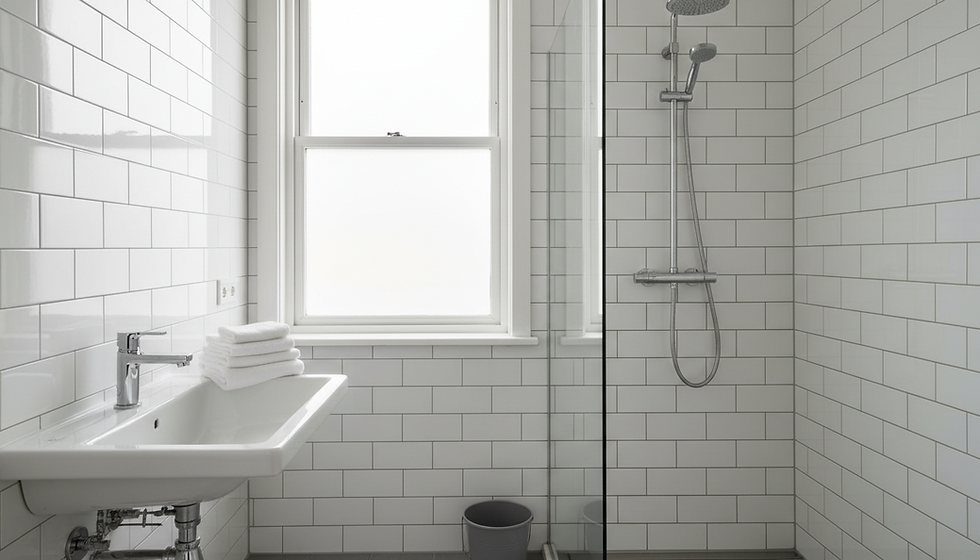
Detailed bathroom and washroom cleaning.
Removing accumulated dirt from accessible surfaces.
Cleaning floors and skirting boards.
Cleaning internal fixtures and fittings.
Addressing neglected areas that are not normally included in routine cleaning.
The amount of work required will depend on the size of the property, its condition and the areas that need attention.
Where the property has suffered significant contamination, damage or mould growth, specialist assessment may be necessary before a standard deep clean can begin.
5. Post-event cleaning and urgent turnaround work
Events can leave premises needing considerable attention.
Community venues, commercial facilities and other shared spaces may need floors cleaned, ordinary waste removed and frequently used surfaces refreshed before the next scheduled activity.
When turnaround times are short, planning becomes particularly important.
A cleaning contractor needs to understand the condition of the premises, the deadline for completion and the work required to make the space suitable for its next use.
It is also important to distinguish between ordinary post-event cleaning and situations involving hazardous waste or potentially infectious materials, which may require specialist services.
Arranging an assessment as early as possible can help establish the scope of the work and whether the required turnaround is realistic.
What should you do when an urgent cleaning problem occurs?
When faced with an unexpected cleaning issue, it can be tempting to start tackling the mess immediately.
However, taking a few sensible steps first can help prevent further problems.
Step 1: Assess the immediate risks
Consider whether the affected area presents any immediate danger.
If there is a risk involving electricity, structural damage, unknown chemicals, sewage or potentially infectious materials, keep people away and contact the appropriate emergency or specialist service.
Do not enter an unsafe area simply to begin cleaning.
Step 2: Prevent the problem from spreading
Where it is safe to do so, restrict access to the affected area and protect unaffected spaces.
Avoid walking through contaminated areas or using ordinary cleaning equipment on unknown or hazardous substances.
Step 3: Establish what needs to be cleaned
Identify the affected rooms, surfaces and materials, along with any deadline for the property to be returned to use.
Photographs may help document the condition of the area, particularly when reporting property damage or arranging repairs.
Step 4: Contact a suitable cleaning contractor
Explain what has happened, where the property is located, the approximate size of the affected area and how urgently the work is needed.
Be as specific as possible about the type of mess or contamination involved. This allows the contractor to assess whether the job falls within its capabilities or requires a specialist response.
Step 5: Agree on the scope of work
Before work begins, establish what the cleaning service will cover, any access requirements, the expected timescale and any limitations.
If the property requires repairs, specialist treatment or safety clearance, make sure those requirements are addressed separately.
Emergency cleaning versus deep cleaning: what's the difference?
Although the terms are sometimes used interchangeably, emergency cleaning and deep cleaning describe different aspects of a service.
Emergency cleaning refers primarily to the urgency of the situation. The work is needed because an unexpected problem has occurred or a deadline requires prompt action.
Deep cleaning refers to the level of detail and intensity involved in the cleaning process. It may be planned in advance or arranged in response to an urgent situation.
For example, a heavily soiled property might require a deep clean that can be scheduled over several days. A commercial premises affected by an unexpected spill may require urgent attention, although the amount of cleaning needed could be relatively small.
Some situations require both: an urgent response followed by a more comprehensive deep clean.
Understanding this distinction helps ensure that the right service is arranged for the actual problem.
How quickly can emergency cleaning be arranged?
The availability of emergency cleaning depends on several factors, including the location, the size of the affected area, the type of cleaning required and the equipment or specialist arrangements needed.
A straightforward cleaning task may be relatively quick to assess and complete. More complex situations involving extensive soiling, water damage or potential contamination may require additional preparation and specialist support.
If you need urgent assistance, provide as much information as possible when making your enquiry.
This helps the cleaning contractor determine whether the work can be undertaken safely, what resources may be required and what timescale is realistic.
It is always better to establish clear expectations at the outset than to promise a turnaround that cannot be delivered safely or to the required standard.
Why choose Quartz Cleaning Services?
When a property needs urgent attention, you need a cleaning service that takes the situation seriously and approaches the work methodically.
Quartz Cleaning Services specialises in deep cleaning and emergency cleaning, helping clients address situations where routine cleaning is not sufficient.
We understand that every property and cleaning challenge is different. The appropriate response depends on the condition of the premises, the nature of the problem and the outcome required.
Our approach focuses on understanding the work involved, identifying any relevant safety considerations and establishing a suitable cleaning plan.
We serve clients across County Durham and the wider North East, supporting properties that require intensive cleaning and helping clients determine the most appropriate next steps.
Whether you are dealing with a heavily soiled property, preparing premises for reopening or arranging a more comprehensive clean after an unexpected incident, we can discuss your requirements and assess whether our services are suitable.
Need emergency cleaning in County Durham or the North East?
An unexpected cleaning problem can be disruptive, particularly when it affects your home, business or the use of a property.
The key is to establish what has happened, address any immediate risks and arrange the appropriate cleaning support without making the situation worse.
Quartz Cleaning Services provides specialist deep cleaning and emergency cleaning solutions for clients across County Durham and the wider North East.
If your property needs urgent cleaning, contact Quartz Cleaning Services to discuss the situation and your requirements.
Explain what has happened, where the property is located and how quickly the work is needed. We can then discuss the next steps and whether the cleaning required is within our service capabilities.
When an ordinary clean is not enough, the right professional support can help you move towards getting your property back to the condition you need.
Quartz Cleaning Services – specialist deep cleaning and emergency cleaning across County Durham and the North East.

Comments